
In the fast-paced world of modern interior design, there is a quiet revolution taking place. It is a movement away from the sterile, high-gloss finishes of the early 2000s and toward something warmer, more organic, and deeply grounding. This movement is defined by the fusion of two distinctive design philosophies: Japanese rustic minimalism (Wabi-Sabi) and Scandinavian functionality (Hygge). Together, they form “Japandi.”
At the heart of the Japandi aesthetic lies a specific approach to lighting. It is not merely about illumination; it is about atmosphere. It is about the way light interacts with texture to create a sanctuary. Central to this look is the resurgence of the paper lamp—sculptural, delicate, and capable of diffusing harsh electric light into a soft, moon-like glow.
In this comprehensive guide, we will explore the transformative power of rice paper lighting. We will delve into why these fragile yet resilient fixtures have become the centerpiece of high-end design, and we will review four standout pieces that can bring this serene aesthetic into your home today. From oversized pendants that anchor a dining room to floor lamps that create the perfect reading nook, we have curated a selection that embodies the soul of Japandi style.
![[artistly design] 019bdd18 12d4 7273 9c25 2e8c61545447](https://cozylivingguide.com/wp-content/uploads/Artistly-Design-019bdd18-12d4-7273-9c25-2e8c61545447-1024x427.png "The Ultimate Guide to Japandi Lighting: Transforming Your Home with Rice Paper Lamps")
The Philosophy of Light: Wabi-Sabi and Paper
To understand why paper lamps are currently dominating interior design feeds and architectural digests, one must understand the concept of Wabi-Sabi. Originating in Japan, Wabi-Sabi is a worldview that finds beauty in imperfection, impermanence, and incompleteness. It values the organic over the synthetic and the handmade over the machine-tooled.
Paper lamps are the physical embodiment of this philosophy. Unlike glass or metal, paper has a texture that is visibly organic. When illuminated, the fibers of the paper—often rice paper, mulberry paper, or washi—create a landscape of shadows and highlights. The light doesn’t just pass through; it is filtered, softened, and warmed.
This contrasts beautifully with the Scandinavian concept of Hygge, which prioritizes coziness and comfort. When you combine the Japanese appreciation for natural materials with the Nordic need for warm, inviting light during long winters, you get the perfect lighting fixture: the paper lantern.
These lamps do more than light up a room; they change the emotional temperature of a space. A harsh LED bulb in a glass fixture can make a room feel clinical. That same bulb, placed inside a pleated paper shade, mimics the warmth of candlelight or the soft haze of twilight. For the modern homeowner looking to create a retreat from the chaos of the outside world, this distinction is everything.
Featured Product Reviews
We have selected four exceptional lighting fixtures that capture the essence of the Japandi trend. These pieces range from ceiling pendants to floor lamps, offering versatile solutions for every room in your home.
1. The Architectural Statement: Henjjras Paper Pendant Light (21.85in)
When designing a Japandi or minimalist space, scale is crucial. A common mistake is choosing lighting fixtures that are too small for the room, making the space feel cluttered rather than curated. The Henjjras Paper Pendant Light solves this with its impressive 21.85-inch diameter, serving as a substantial focal point that commands attention without overwhelming the senses.
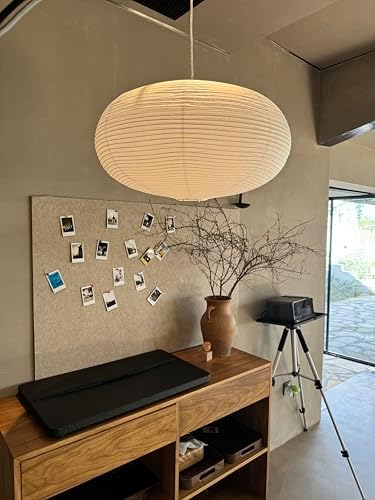
- Product size information: White flat chandelier lamp shade about D555mm*H317mm/21.85*12.48in, large and decorative, easy…
- Easy and quick installation: Our chandelier paper lanterns are made of paper and steel wire, foldable, easy to install, …
- Suitable Occasions: this paper chandelier is ideal for the living room,and also many other occasions, such as weddings p…
Design and Aesthetics
The Henjjras pendant features a “pumpkin” or ribbed spherical design that is emblematic of mid-century modern and Japanese styles. The pleating is not just decorative; it provides structural integrity to the paper while adding depth to the light diffusion. When unlit, it stands as a piece of white, sculptural art. When lit, the ridges of the pleats remain slightly darker than the expanded sections, creating a mesmerizing vertical striping effect that draws the eye upward, effectively making ceilings feel higher.
Material Quality
Constructed from high-quality paper stretched over a lightweight metal frame, this lamp strikes a balance between delicacy and durability. The paper has a matte finish, ensuring there is no glare, only a soft, omnidirectional glow. It pairs exceptionally well with warm-white bulbs (2700K to 3000K), which enhance the creamy tones of the paper.
Installation and Styling
This pendant is ideal for dining areas. Hanging a single large 21.85-inch fixture over a round dining table creates an intimate “cone of silence” effect, perfect for dinner parties. Alternatively, in a high-ceilinged living room, it brings the volume of the room down to a human scale. Its white colorway makes it versatile enough to blend with light oak furniture (classic Scandi) or dark walnut woods (traditional Japanese).
Pros:
- Large scale creates an immediate architectural impact.
- Ribbed design adds texture even when the light is off.
- Excellent diffusion prevents eye strain.
- Lightweight, making it safer for various ceiling types.
Cons:
- Paper is delicate and requires careful handling during installation to avoid tears.
- Cleaning requires a gentle touch (feather duster only).
2. The Vertical Anchor: FLIOPIO Japanese Rice Paper Floor Lamp
While pendant lights look after the general illumination of a room, floor lamps are responsible for “task” and “accent” lighting. They occupy the middle layer of your lighting scheme. The FLIOPIO Japanese Rice Paper Floor Lamp is a stunning example of how to introduce verticality and organic texture into a living space or bedroom.

- [3000K LED Bulb] This floor lamp features a 3000K LED bulb, perfect for living rooms, bedrooms, or offices. It blends pr…
- [Japanese-Inspired Design] With its clean lines and calming aesthetic, this floor lamp brings a touch of Japanese-inspir…
- [Easy Tool-Free Assembly] Designed for convenience, this lamp is incredibly easy to set up, with no tools needed. Swappi…
Design and Aesthetics
This lamp pays homage to the legendary Akari light sculptures by Isamu Noguchi. It features a tripod-style stance or a stable base (depending on the specific variation chosen) that supports a tall, paper body. The elongation of the lamp is elegant and slender, making it perfect for corners where you need light but don’t have the footprint for a bulky side table and lamp combo.
Creating Atmosphere
The magic of the FLIOPIO floor lamp lies in its height. By placing a light source at eye level (when seated), it creates a cozy, enclosed feeling that overhead lights simply cannot replicate. The rice paper shade acts as a complete diffuser—you will never see a “hot spot” from the bulb, only a column of light. This makes it an exceptional choice for a reading nook or a meditation corner.
Versatility in Decor
This floor lamp bridges the gap between traditional and contemporary. In a room filled with low-profile furniture (a staple of Japandi design), the height of this lamp provides necessary contrast. It works beautifully alongside a linen sofa or a boucle armchair. The texture of the paper contrasts with smooth walls, adding visual interest without the need for wall art.
Pros:
- Space-saving vertical design fits into tight corners.
- Provides soft, eye-level ambient lighting.
- Portable, allowing you to change the mood of different rooms easily.
- Adds an artistic, sculptural element to the floor level.
Cons:
- Floor lamps in high-traffic areas are at risk of being knocked over; ensure placement is out of direct walkways.
- Paper near the ground attracts more dust/pet hair than hanging lamps.
3. The Iconic Silhouette: Henjjras White Mushroom Chandelier
The “Mushroom” shape is one of the most enduring silhouettes in lighting history. It feels organic, biomorphic, and undeniably friendly. The Henjjras White Mushroom Chandelier takes this classic form and interprets it through the lens of traditional paper craftsmanship.
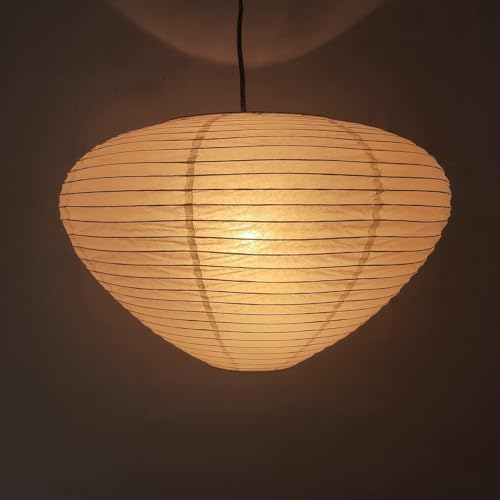
- Indoor lampshade products,Our chandelier lampshades can be used for bedroom, living room, study, in addition to home use…
- Foldable lighting lamp shade,Convenient and quick installation, easy storage and transportation
- Simple style environmental protection lampshade,Simple style, blend into your home, is a good decoration
Design and Aesthetics
Unlike the spherical pendants, the mushroom shape is wider at the top and tapers slightly or curves inward, resembling a cap. This shape directs slightly more light downward while still allowing for 360-degree diffusion. It is a shape that feels retro yet timeless. The smooth curves of the Henjjras Mushroom Chandelier soften the straight lines of rectangular rooms, windows, and furniture.
Ideal Placement
This fixture shines—quite literally—in bedrooms and nurseries. The softness of the shape creates a sense of calm and safety. Hanging this fixture over a bed serves as a modern alternative to a ceiling fan light kit or a standard drum shade. It is also highly effective in hallways; a row of three mushroom pendants down a long corridor turns a transition space into an art gallery experience.
The “Cloud” Effect
Because of its flattened spherical shape, when mounted close to a white ceiling, the Mushroom Chandelier blends in seamlessly, feeling almost like a cloud floating overhead. This is a key principle of minimalist design: the object should be beautiful, but it shouldn’t scream for attention. It should feel like it has always belonged there.
Pros:
- Unique biomorphic shape breaks up linear room designs.
- Directs light effectively for functional use while maintaining ambiance.
- Perfect for lower ceilings where a long pendant might hang too low.
- Evokes a high-end, designer aesthetic at an accessible price point.
Cons:
- Changing bulbs may require partial disassembly depending on the internal frame structure.
- Requires a hardwired connection for the cleanest look.
4. The Handmade Giant: Hytsoeee 22.05Inch Lantern
For those who embrace the “Wabi” (rustic simplicity) side of Wabi-Sabi, the Hytsoeee 22.05Inch Lantern is the ultimate choice. This fixture emphasizes the handmade nature of the craft, celebrating the texture and volume that only a large paper lantern can provide.
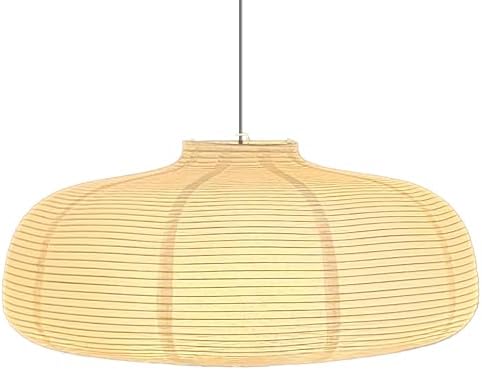
- Large Size: 22.05Inch(56cm) Large paper lantern, very good at enhancing the sense of space atmosphere, play a finishing …
- Pumpkin Shape Appearance: Pumpkin shape is an enduring classic style, the paper lampshade reflects the pursuit of art an…
- Handmade: Rice paper lamp shade is carefully made by highly qualified technical personnel, and each product is carefully…
Design and Aesthetics
At over 22 inches, this is a statement piece. It is designed for spaces that need a focal point. The sheer volume of the lantern allows for a massive wash of light. However, because the surface area is so large, the light is incredibly soft. It mimics the light of a full moon. The construction highlights the ribbing and the overlapping of paper, showcasing the artisanal quality of the materials.
Styling Large Lanterns
Large lanterns like the Hytsoeee are fantastic for open-plan living. If you have an open kitchen-living-dining area, using a large lantern over the coffee table helps to “zone” the living area without using physical dividers. It visually weights the space.
Furthermore, these large lanterns look incredible when clustered. If you have a vaulted ceiling or a stairwell, hanging the Hytsoeee 22.05in lantern alongside a slightly smaller globe creates a dynamic, floating installation that rivals hotel lobbies.
The Texture Factor
The paper used in the Hytsoeee model captures light in a way that fabric cannot. It has a crispness to it. During the day, natural sunlight hitting the white paper makes the lamp glow even when it’s turned off. It becomes a light trap, keeping the room feeling airy and bright.
Pros:
- Massive size offers incredible value and visual impact.
- Handmade aesthetic adds character and soul to a room.
- Excellent for zoning large, open-concept spaces.
- Compatible with high-lumen bulbs without causing glare due to large diffusion area.
Cons:
- Size may be overwhelming in very small rooms or low ceilings.
- Requires a strong anchor point due to its visual weight (though physically lightweight).
Buying Guide: How to Choose the Perfect Rice Paper Lamp
Selecting the right paper lamp involves more than just picking a shape you like. To truly achieve the Japandi look and ensure longevity, consider the following factors.
1. Paper Density and Color
Not all paper is created equal. True rice paper or Washi paper has irregular fibers that create texture. Cheaper, synthetic paper alternatives often look flat and plastic-like when lit. Look for lamps that describe the material as “rice paper,” “mulberry paper,” or “handmade paper.”
Additionally, the color of the paper matters. Most Japandi lamps are off-white or cream. Avoid stark, cool-white bleached paper if you want a cozy atmosphere. The natural creaminess of unbleached paper warms the light before it even hits the room.
2. Bulb Selection (Kelvin and Lumens)
The bulb you put inside a paper lamp is just as important as the lamp itself.
- Color Temperature (Kelvin): You must use Warm White. Look for bulbs rated between 2700K and 3000K. Anything higher (4000K-5000K) will look blue and clinical, turning your cozy lantern into a hospital light.
- Brightness (Lumens): Paper absorbs some light. If the lamp is your main light source, opt for a higher lumen bulb (800-1100 lumens, equivalent to 60W-75W). If it is for mood lighting, 450 lumens (40W equivalent) is sufficient.
- Smart Bulbs: We highly recommend using smart bulbs (like Philips Hue or similar) with paper lamps. Being able to dim the light or change the warmth allows you to transition the room from a bright workspace during the day to a moody lounge at night.
3. Size and Scale
The rule of thumb for Japandi lighting is: Go bigger.
In traditional decor, we are often taught to be conservative with fixture sizes. In Japandi and Minimalist styles, the lighting is the decor. A small 10-inch pendant looks lost over a dining table. A 22-inch pendant, like the Hytsoeee or Henjjras models reviewed above, makes a statement. If you are between two sizes, choose the larger one. The lightweight visual nature of paper prevents it from feeling heavy, even when it is physically large.
4. Cord and Canopy
Pay attention to the hardware. A cheap white plastic cord can ruin the look of a beautiful paper shade. Look for fixtures that come with fabric-wrapped cords or consider purchasing a separate vintage-style suspension kit. Matte black or brushed brass hardware contrasts beautifully with white paper, adding a touch of modern sophistication.
Maintenance and Care for Paper Lamps
One of the biggest hesitations people have regarding paper lighting is durability. While they are fragile, they can last for years with proper care.
- Dusting: Never use water or liquid cleaners on paper lamps; they will stain or dissolve the material. Use a microfiber feather duster or a soft, dry paintbrush to gently sweep dust out of the pleats.
- Tears: If a small tear occurs, it can often be repaired from the inside using a tiny piece of tissue paper and a dab of clear, matte glue. The irregular texture of the lamp often hides these repairs well.
- Humidity: Avoid placing rice paper lamps in bathrooms or damp areas. High humidity can cause the paper to sag or mold. Stick to living rooms, bedrooms, and dining areas.
Styling Your Japandi Sanctuary
Integrating these lamps into your home is the final step in your design journey. Here are three styling concepts to inspire you.
The “Monastic” Bedroom
Create a bedroom that is strictly for rest. Paint the walls a warm chalky white or a soft “greige” (grey-beige). Use low-profile wooden furniture. Center the Henjjras Mushroom Chandelier over the bed. Keep artwork to a minimum. The goal is to reduce visual noise. The soft glow of the mushroom lamp becomes the room’s heartbeat.
The Textured Living Room
Japandi is not just about minimalism; it’s about texture. Pair a boucle wool sofa with a rough-hewn wooden coffee table. Place the FLIOPIO Floor Lamp in the corner. The crinkled texture of the paper lamp speaks to the boucle fabric, while the wood base ties in with the table. This layering of textures creates a space that feels rich and expensive, even if the color palette is monochromatic.
The Dining Room Centerpiece
Ditch the crystal chandelier. It feels dated and fussy. Replace it with the Henjjras 21.85in Pendant or the Hytsoeee Lantern. Hang it relatively low over the table (about 30 to 32 inches above the surface). This lowers the visual ceiling of the room, creating an intimate zone for eating and conversation. If your table is long and rectangular, consider hanging two large pendants side-by-side for a dramatic, architectural look.
Conclusion
Lighting is the silent language of a home. It tells the story of how a space is meant to be used and how it should feel. The shift toward Japandi and Wabi-Sabi aesthetics is more than a trend; it is a collective desire for homes that nurture us.
Rice paper lamps, with their fragile beauty and warm diffusion, offer an antidote to the harshness of the modern world. Whether you choose the architectural ribs of the Henjjras Pendant, the vertical elegance of the FLIOPIO Floor Lamp, the biomorphic curves of the Mushroom Chandelier, or the grand scale of the Hytsoeee Lantern, you are making a choice for tranquility.
These fixtures are affordable, impactful, and timeless. By introducing just one of these pieces into your home, you can soften the edges of your environment and create a space that breathes. Embrace the imperfections, celebrate the organic, and let there be soft, warm light.