
The Evening Cradle of Lowered Lights establishes a critical environmental boundary between the high-alert demands of the day and the restorative necessity of sleep. Furthermore, this deliberate manipulation of ambient illumination serves as the most potent signal for regulating human circadian rhythms. Most modern homes bombard the visual cortex with high-intensity, blue-enriched light well past sunset, disrupting natural hormonal cascades. Consequently, the body fails to recognize the onset of night, delaying the release of melatonin. Adopting the “Evening Cradle” approach creates a protective sensory dampen that guides the brain toward deep, restorative rest. Moreover, this practice goes beyond simple aesthetics; it constitutes a bio-hack essential for modern health.
Implementing this lighting strategy requires a fundamental understanding of how photons interact with the suprachiasmatic nucleus (SCN) in the brain. Specifically, the SCN acts as the master clock, interpreting light intensity and color temperature to orchestrate sleep cycles.
The Biological Imperative of Dimming
Human biology evolved under the predictable transition of solar light, moving from the bright, blue-rich light of midday to the soft, amber hues of dusk. However, artificial lighting has severed this ancestral connection. The retina contains specialized cells known as intrinsically photosensitive retinal ganglion cells (ipRGCs) which respond specifically to light intensity. Notably, these cells communicate directly with the hypothalamus to suppress melatonin production when they detect brightness. The Evening Cradle of Lowered Lights mimics the natural solar fade, permitting the endocrine system to function correctly. Therefore, maintaining low light levels in the hours preceding bed remains non-negotiable for optimal sleep hygiene.
National Institute of General Medical Sciences – Circadian Rhythms
High-kelvin lighting, typically found in LEDs and screens, mimics the solar spectrum of noon. Conversely, the Evening Cradle utilizes the lower end of the Kelvin scale to signal safety and rest to the nervous system.
Deconstructing the Kelvin Scale for Sleep
Understanding color temperature allows for the precise engineering of a sleep-inducing environment. Ideally, daytime lighting hovers between 4000K and 6500K to promote alertness and cognitive function. However, the Evening Cradle demands a shift to the 1800K to 2700K range. Standard “soft white” bulbs often sit at 3000K, which still emits too much blue frequency for the sensitive pre-sleep phase. Thus, true circadian synchronization requires specific amber or red-shifted spectrums.

- WHAT’S IN THE BOX – Includes one White and Color Ambiance smart 60W-equivalent A19 color-changing light bulb; Perfect fo…
- UNLOCK THE FULL POWER OF HUE – Add a Hue Bridge to enjoy automations, control from anywhere in the world, and a secure, …
- MILLIONS OF COLORS – The White and Color Ambiance range offers both warm-to-cool white and millions of colors straight o…
Smart lighting solutions offer the most seamless way to achieve this transition automatically. Furthermore, these systems allow users to program a gradual shift from functional white light to a deep, sunset orange as the evening progresses. Using distinct light sources for different times of day ensures the eyes never encounter confusing signals. Consequently, the brain begins the “wind-down” process hours before the head hits the pillow.
Designing the Living Room Cradle
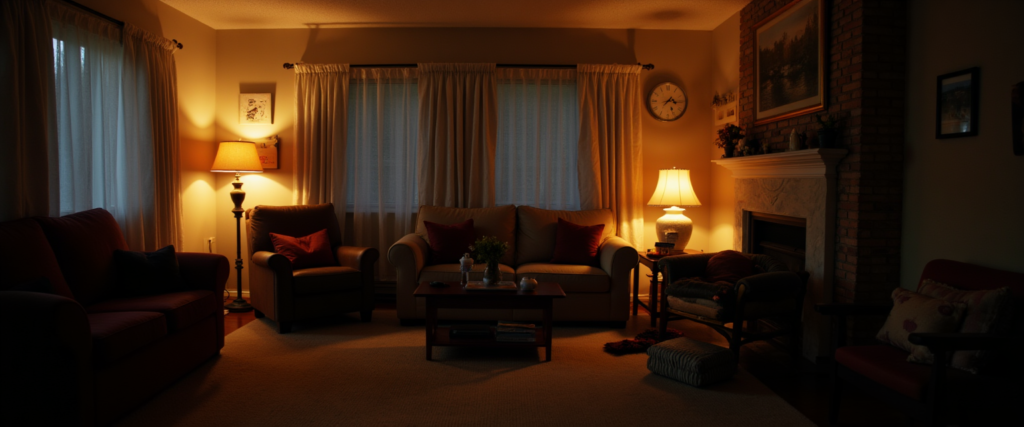
The living room serves as the primary transition zone where the Evening Cradle of Lowered Lights must take full effect. Relying on overhead recessed lighting destroys the atmosphere of the cradle. Instead, floor lamps and table lamps positioned below eye level create a grounded, cozy sensation. Additionally, positioning light sources lower in the room mimics the position of the setting sun, reinforcing biological cues.
Shadows play just as important a role as illumination in this setup. Indeed, allowing corners of the room to fall into darkness reduces the total photon load hitting the eyes. Using directional task lighting for reading prevents eye strain while keeping the surrounding environment dim.
Candlelight represents the gold standard for the Evening Cradle, offering a color temperature of approximately 1800K. Moreover, the flickering motion of a flame induces a meditative state, lowering cortisol levels. For those concerned about air quality or fire safety, realistic LED candles provide a viable alternative.

- Lifelike Candles: Flickering Flameless candles are designed with patented 3d moving flame, have the 360 degree dance vie…
- Well Made: Flameless led pillar candles are made of pure paraffin wax, measure 3 x 3 inches, the polished wax coat are s…
- Long Lasting: Each battery candle with timer powered by 2x AA batteries (NOT INCLUDED), which last 600+ hours. Work thro…
These devices replicate the soothing ambiance of real fire without the particulate matter emissions. Therefore, they serve as excellent tools for establishing the cradle effect in households with children or pets.
The Bedroom: The Inner Sanctum
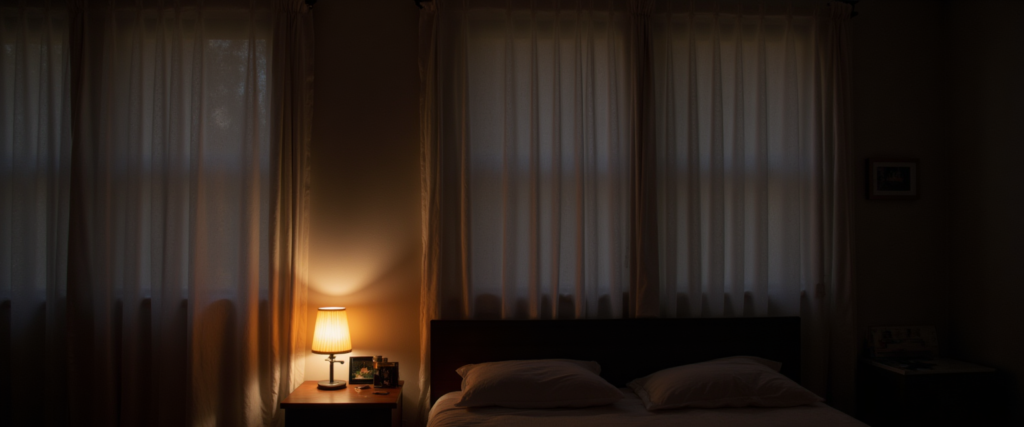
While the living room initiates the process, the bedroom must perfect the Evening Cradle of Lowered Lights. Absolute darkness constitutes the goal for the actual sleep phase, but the pre-sleep routine requires navigation light. Thus, installing motion-sensor under-bed lighting provides safety without stimulating the SCN.
Red light therapy bulbs have gained popularity for bedside lamps. Significantly, red light possesses the longest wavelength in the visible spectrum and exerts the least impact on melatonin suppression. Reading by amber or red light preserves night vision and sleep readiness.


Clip-on amber lights focus illumination strictly on the page, leaving the rest of the room in shadow. Furthermore, this targeted approach prevents “light leaks” that might disturb a partner. The transition from the living room to the bedroom should involve a further step down in brightness. Consequently, the eyes adjust progressively, deepening the state of relaxation.
Mitigating the Screen Problem
Digital screens represent the single greatest threat to the integrity of the Evening Cradle. Smartphones, tablets, and televisions emit concentrated spikes of blue light that pierce through the dim ambiance. Ideally, one should banish screens from the cradle environment two hours before sleep. However, modern life often makes total abstinence difficult.
Software solutions like f.lux or “Night Shift” modes offer a first line of defense by warming the screen’s color temperature. Nevertheless, the backlight intensity often remains too high even with color correction. Hardware solutions provide superior protection.

Wearing high-quality blue-blocking glasses creates a personal, portable cradle for the eyes. Moreover, these glasses filter out the specific wavelengths that trigger wakefulness signals in the brain. This allows for necessary device usage without completely derailing the circadian rhythm.
The Role of Window Treatments
External light pollution frequently compromises the internal control of lighting. Streetlights, car headlights, and neighbor’s security lights can invade the Evening Cradle of Lowered Lights. Therefore, controlling the windows becomes as important as controlling the bulbs.
Layering window treatments offers flexibility. Additionally, sheer curtains provide privacy during the day, while heavy drapes secure the night.

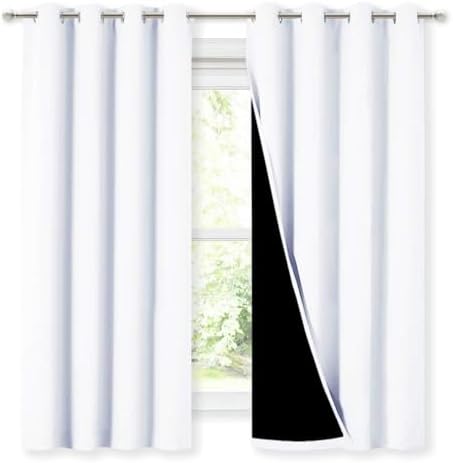

Blackout curtains ensure that once the lights go out, the environment remains pristine. Furthermore, they contribute to thermal regulation, keeping the sleep environment cool—another prerequisite for deep rest. Creating a seal against the outside world reinforces the psychological feeling of safety within the cradle.
Physiological Benefits of Low Light
The benefits of the Evening Cradle extend beyond simple melatonin regulation. Operating in low light reduces the cognitive load on the brain. Specifically, the visual cortex consumes a massive amount of energy processing details, colors, and movements. Dimming the lights reduces the input data, allowing the brain to shift resources toward repair and memory consolidation.
Cortisol, the stress hormone, naturally peaks in the morning and should trough in the evening. However, bright environments sustain high cortisol levels, keeping the body in a state of “fight or flight.” The Evening Cradle of Lowered Lights actively suppresses cortisol, facilitating the parasympathetic nervous system’s “rest and digest” mode. Thus, digestion improves, heart rate variability increases, and blood pressure stabilizes.
Implementation: The Sunset Protocol
Establishing a strict “Sunset Protocol” ensures consistency in the Evening Cradle practice. This protocol involves a timed sequence of events triggered by the actual sunset or a set hour.
- Phase One (Sunset): Turn off all overhead lights. Consequently, switch on floor lamps and accent lighting.
- Phase Two (Two Hours Pre-Sleep): Activate “Smart Shift.” Furthermore, ensure all bulbs transition to 2700K or warmer.
- Phase Three (One Hour Pre-Sleep): Extinguish general room lighting. Henceforth, rely solely on task lighting or candlelight.
- Phase Four (Bedtime): Total blackout.
Automation hubs can handle this entire sequence. Moreover, removing the decision-making process increases adherence to the routine. When the house dims automatically, it serves as a subconscious command to the family that the day has ended.
The Psychological “Hygge” Factor
The concept of “Hygge,” a Danish term for coziness and contentment, aligns perfectly with the Evening Cradle of Lowered Lights. Creating a warm, enclosed atmosphere fosters emotional well-being. Furthermore, the cradle effect mimics the safety of the ancestral cave, satisfying primal psychological needs for security.
Bright, clinical lighting often induces feelings of exposure and scrutiny. Conversely, low lighting encourages intimacy and conversation. Families often find that the Evening Cradle promotes better communication and connection before bed. Thus, the lighting strategy improves relationships alongside sleep quality.
Overcoming Common Obstacles
Many individuals find the transition to low lighting difficult due to habit or the need to perform chores. Cleaning, cooking, or working often demands high visibility. Therefore, scheduling high-focus tasks for the morning or early afternoon becomes essential.
If evening work remains unavoidable, utilize “zone lighting.” Specifically, illuminate only the immediate workspace brightly while keeping the surrounding area dark. This technique creates a “pool of light” that allows for focus without flooding the entire room with circadian-disrupting photons. Furthermore, wearing blue-blocking glasses during these tasks mitigates the biological impact.
Salt Lamps and Natural Ionization
Himalayan salt lamps serve as iconic fixtures within the Evening Cradle of Lowered Lights. These lamps emit a diffused, pink-orange glow that falls perfectly within the sleep-promoting spectrum. Additionally, proponents suggest they release negative ions, potentially purifying the air.
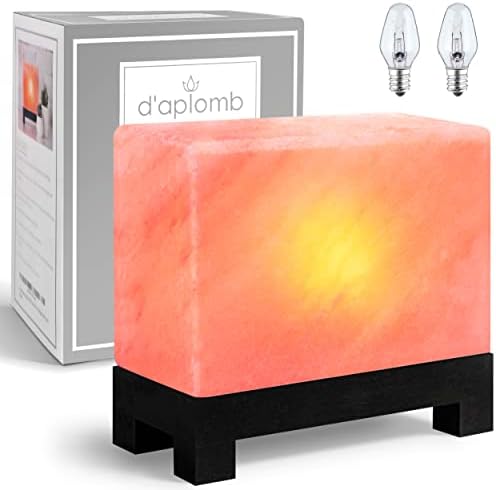
- Authentic Salt Lamp: Made from 250 million year old salt from the Himalayan Mountains (the only source of true Himalayan…
- Crafted Wood Base And Dimmer Switch: Includes two 15 watt bulbs and UL-Listed electrical set (dimmer switch is a UL-Reco…
- 90-Day Hassle-Free Warranty – Buy with Confidence! Enjoy a worry-free shopping experience with our 90-day warranty, cove…
While the ionization science remains debated, the lighting properties remain undisputed. Moreover, the organic shape and mineral texture add a grounding element to the decor. Placing these lamps in the periphery of the room adds warmth without glare.
The Impact on Eye Health
Modern eyes suffer from digital eye strain and constant pupillary constriction. Bright lights force the pupil to remain small, fatiguing the muscles of the iris. However, the Evening Cradle allows the pupils to dilate and relax.
This relaxation period is crucial for long-term eye health. Furthermore, reducing the contrast between a bright screen and a dark room—by using bias lighting behind the screen—can further reduce strain. The Evening Cradle advocates for low, ambient light rather than stark darkness with a single bright point. Consequently, this balanced approach protects the visual system from fatigue.
Adapting for Shift Workers
Shift workers face the unique challenge of creating an Evening Cradle during daylight hours. For these individuals, the “evening” is subjective. Thus, the biological principles apply regardless of the clock time.
Blackout curtains become the most critical tool for the shift worker’s cradle. Additionally, wearing dark sunglasses during the commute home helps preserve the melatonin buildup started at the end of the shift. Creating a localized cradle in the bedroom allows the shift worker to trick the SCN into perceiving night. Therefore, strict adherence to light control determines the quality of recovery sleep for night-shift employees.
Sensory Integration and Sound
While light remains the primary driver, the Evening Cradle benefits from multi-sensory integration. Pairing lowered lights with auditory cues enhances the effect. Specifically, soft ambient noise or binaural beats reinforce the signal to relax.
Silence can sometimes feel deafening in a dark room. Moreover, a white noise machine masks sudden external sounds that might trigger an alertness response. The combination of a visual cradle (low light) and an auditory cradle (steady sound) creates an impenetrable cocoon for sleep.
Conclusion: Reclaiming the Night
The Evening Cradle of Lowered Lights offers a scientifically grounded method for reclaiming the restorative power of the night. By consciously manipulating the light environment, individuals can realign their biological clocks with the natural rhythms of the planet. Furthermore, this practice provides a sanctuary from the hyper-stimulated modern world.
Implementing the cradle requires investment in proper tools—warm bulbs, dimmers, and window treatments—but the return on investment is profound. Better sleep leads to enhanced immunity, emotional stability, and cognitive sharpness. Ultimately, mastering the light environment constitutes the first and most important step toward holistic health optimization.
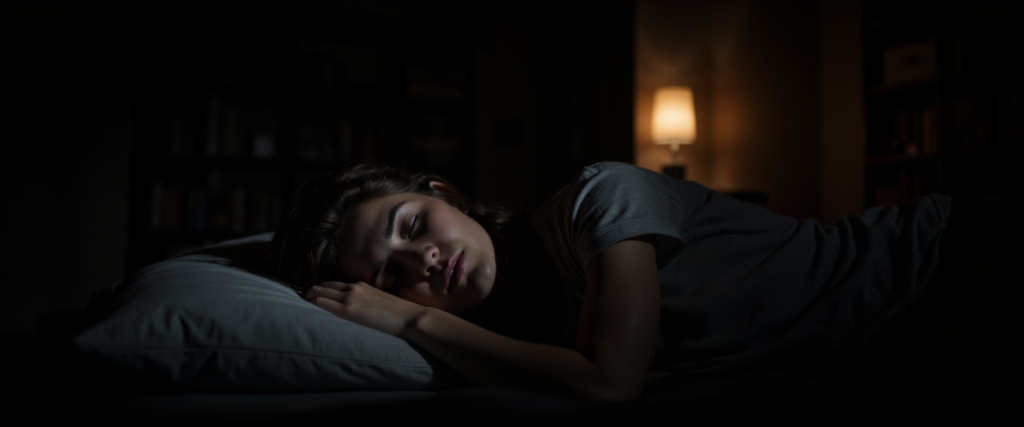
The transition requires discipline, yet the body adapts quickly to the relief of darkness. Consequently, the Evening Cradle becomes the most anticipated part of the day. Embrace the dim, welcome the shadow, and allow the lowered lights to carry you into deep, healing slumber.